

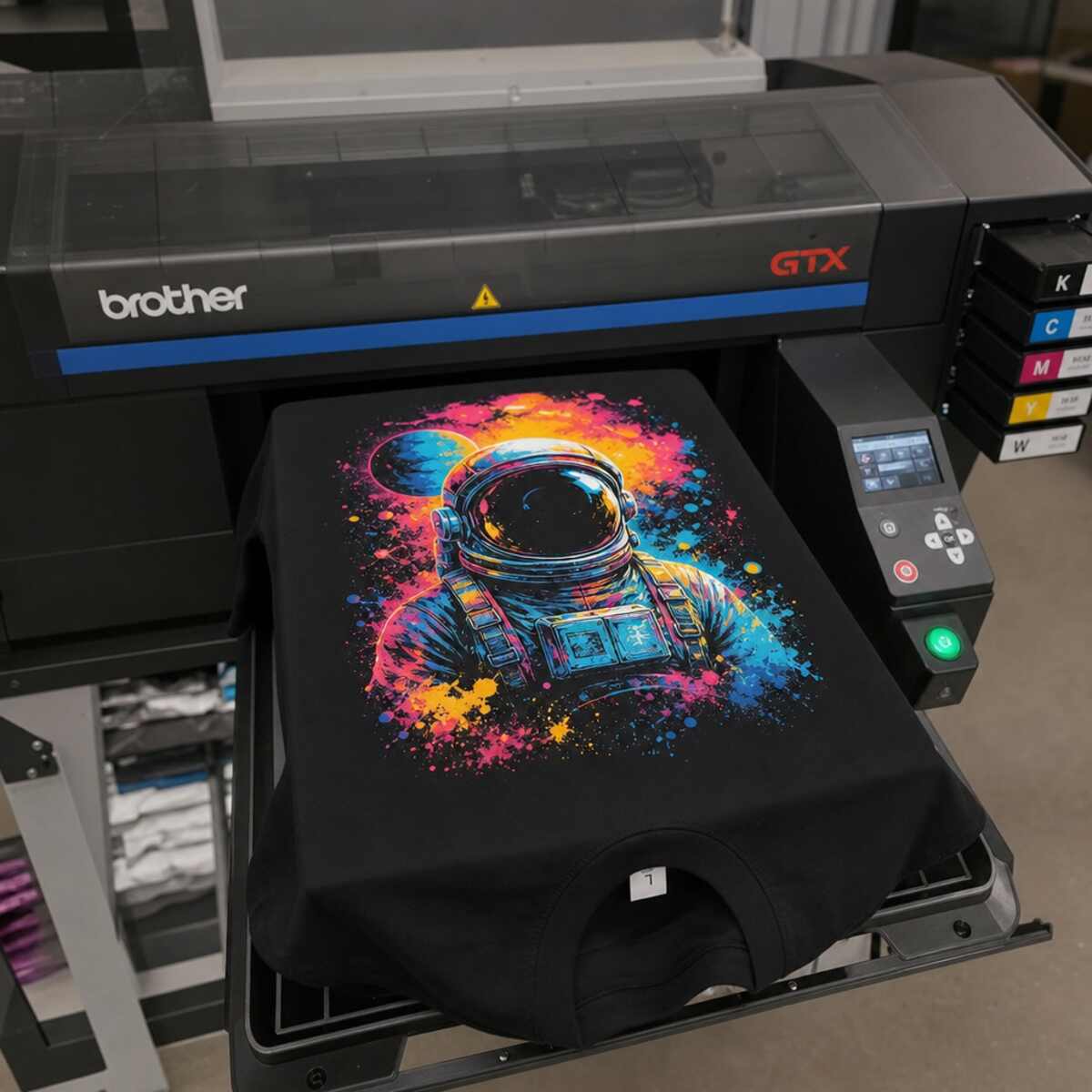

The world of custom clothing is evolving at breakneck speed. Not too long ago, starting a t-shirt brand meant ordering hundreds of identical shirts, dealing with massive upfront costs, and crossing your fingers that your designs would actually sell. Today, technology has completely flipped that script. At the center of this revolution is the DTG printer—a machine that has democratized the fashion industry, empowering creators, entrepreneurs, and established brands to produce retail-quality garments on the fly. The Interesting Info about dtg printer.
If you are exploring the custom merchandise space, you have likely heard about Direct-to-Garment printing. But what makes it so special? Why are so many businesses abandoning traditional methods in favor of digital solutions? In this comprehensive guide, we are going to dive deep into the numerous benefits of using a DTG printer, explore the operational mechanics, compare it to other industry standards, and give you actionable advice on running a profitable printing business.
What is a DTG Printer? Understanding the Technology
Before exploring the benefits, it is crucial to understand exactly what a DTG printer is. Direct-to-Garment (DTG) printing works much like the standard inkjet printer you might have in your home or office, but instead of printing on paper, it prints directly onto fabric.
This process relies heavily on advanced industrial garment inkjet technology. Using highly specialized print heads, a DTG printer precisely sprays micro-droplets of ink into the fibers of a garment. Because the ink is applied directly to the textile, the resulting print feels soft to the touch and moves naturally with the fabric.
Furthermore, DTG technology utilizes aqueous textile pigment inks. These water-based inks are specifically formulated to bond with fabric fibers when exposed to heat. Unlike the thick, rubbery plastisol inks often used in traditional methods, water-based pigment inks are eco-friendly, non-toxic, and provide a breathable finish that consumers absolutely love.
The Unmatched Benefits of Using a DTG Printer
Investing in a DTG printer can transform the way you do business. Whether you are a solo entrepreneur starting in a garage or a commercial print shop looking to expand your offerings, the advantages are vast.
1. The Power of Print on Demand
Perhaps the single greatest benefit of DTG technology is its seamless integration with the print on demand (POD) business model. Traditional printing requires minimum order quantities (MOQs) to be profitable. With DTG, the setup time is virtually zero. You can print one single t-shirt as easily and profitably as you can print fifty.
This means you never have to hold printed inventory. When a customer places an order on your website, you print the exact size, color, and design they requested. This eliminates the risk of dead stock and allows you to test new, quirky, or highly niche designs without any financial risk.
2. High-Resolution Custom Apparel Production
If your brand relies on intricate artwork, highly detailed illustrations, or full-color photographs, DTG is the ultimate tool. Traditional printing methods require color separation, meaning you are limited by the number of screens you can physically set up.
A DTG printer utilizes a CMYK (Cyan, Magenta, Yellow, Black) plus White color model, allowing for high-resolution custom apparel production. You can achieve millions of colors, flawless gradients, subtle shading, and photorealistic details that are simply impossible with older techniques.
3. Incredible Speed to Market
In the era of viral internet trends, speed is everything. If a meme goes viral on Tuesday, you can design a graphic, upload it to your online store, and start printing and shipping shirts by Wednesday morning. This agility allows DTG owners to capitalize on pop culture moments instantly.
4. Eco-Friendly Operations
Sustainability is no longer a buzzword; it is a consumer demand. Because DTG utilizes aqueous textile pigment inks, it is vastly more environmentally friendly than traditional methods. There are no harsh chemical solvents required for cleanup, significantly less water is wasted, and the print-on-demand model means fewer unsold garments end up in landfills.
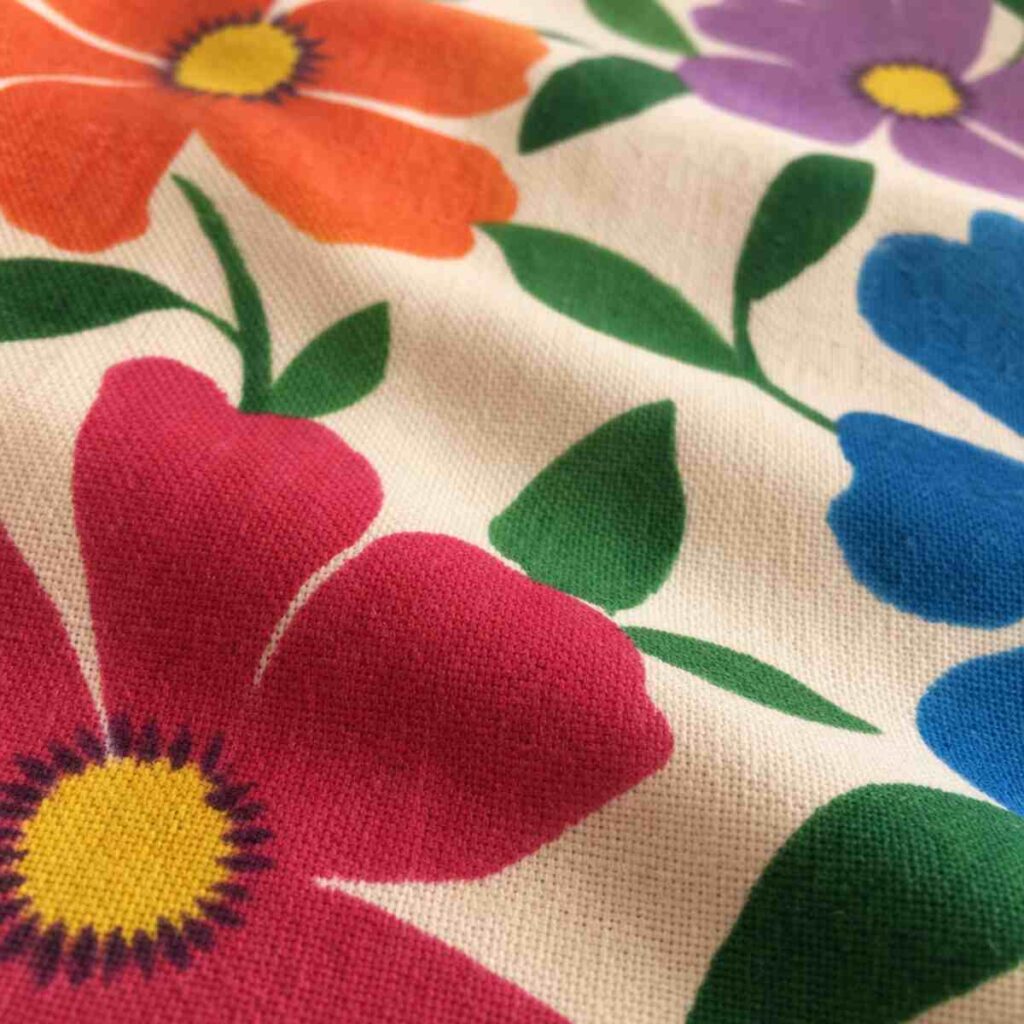
Weighing the Options: DTG vs. Alternative Printing Methods
To truly appreciate the value of a DTG printer, we must look at how it stacks up against the competition. The garment decoration industry is diverse, but three methods currently dominate the conversation.
Screen Printing vs Digital Textile Methods
The debate of screen printing vs digital textile methods is as old as DTG itself. Screen printing involves creating a physical stencil (screen) for every single color in a design and pushing thick ink through it onto the shirt.
Screen Printing Pros:
- Extremely cost-effective for massive bulk runs (e.g., 500+ shirts of the exact same design).
- Fast printing speed after the lengthy setup is complete.
- Inks are highly durable.
DTG Pros:
- Zero setup time. No screens to coat, expose, or wash out.
- Profitable for small runs (1 to 50 shirts).
- Unlimited color palette, whereas screen printing charges per color.
The Verdict: If you are printing 1,000 identical logos for a corporate marathon, use screen printing. If your business relies on diverse, full-color designs for individual retail customers, DTG is unequivocally the better choice.
Direct to Garment vs Direct to Film Comparison
Recently, Direct-to-Film (DTF) has surged in popularity. In a direct to garment vs direct to film comparison, the differences lie in the application. DTF involves printing the design onto a special PET film, covering the wet ink in an adhesive powder, melting the powder, and then heat-pressing the film onto the shirt.
DTF Pros:
- Can be applied to almost any fabric type (cotton, polyester, nylon).
- Does not require pretreatment of the garment.
- Vibrant colors.
DTG Pros:
- Far superior breathability. DTF creates a solid, plastic-like decal that sits on top of the shirt. DTG ink sinks into the shirt, resulting in a much softer “hand feel.”
- Fewer physical steps. DTG prints right onto the shirt, bypassing the film, powdering, and melting phases required by DTF.
- Better for large, solid block designs where sweat and breathability are a concern.
Financial Breakdown: The Economics of DTG
Starting a digital printing business requires capital, but the margins can be incredibly lucrative if managed correctly.
Startup Costs for Custom T-Shirt Business
Understanding the startup costs for custom t-shirt business operations is vital before making a purchase. While prices vary wildly based on whether you buy prosumer or industrial-grade equipment, here is a general breakdown of what you will need:
- The DTG Printer: $10,000 to $25,000 for entry-to-mid-level commercial machines (e.g., Brother, Epson). Industrial multi-platen machines can exceed $100,000.
- Automatic Pretreatment Machine: $3,000 to $5,000. (While you can use a $50 hand sprayer, an automatic machine is highly recommended for consistency).
- Commercial Heat Press: $1,000 to $2,500. Do not skimp here; accurate temperature and pressure are non-negotiable.
- Initial Supplies: $1,000 for inks, pretreatment fluid, cleaning solutions, and maintenance gear.
- Blank Garments: $500 for an initial stock of varied sizes to run tests and fulfill first orders.
Total Estimated Startup Cost: $15,500 to $34,000.
Direct to Garment Printing Cost Analysis
To run a profitable business, you must intimately understand your margins. A proper direct to garment printing cost analysis looks at the cost of goods sold (COGS) versus retail price.
Let’s break down the cost of a typical dark t-shirt with a full-color, 10×12 inch chest print:
- High-quality blank cotton t-shirt: $3.50
- Pretreatment fluid cost per shirt: $0.25
- White Ink (Underbase): $1.20
- CMYK Ink (Color layer): $0.40
- Labor & Overhead (Electricity, maintenance buffer): $1.00
- Total Cost to Produce: ~$6.35
If you sell that premium, high-resolution custom t-shirt for $25.00 to $30.00, you are looking at a gross profit margin of over 70%. Because you only print when an order is paid for, your cash flow remains healthy, and ROI can be achieved relatively quickly with a solid marketing strategy.
Mastering the Canvas: Fabrics and Preparation
A DTG printer is only as good as the canvas you feed into it. Understanding material science is what separates amateur printers from industry professionals.
Best Fabrics for Digital Garment Decoration
Not all shirts are created equal. The best fabrics for digital garment decoration are tightly woven natural fibers. Because water-based inks rely on natural fibers to bond correctly, your go-to choice should always be 100% Cotton.
However, standard carded open-end cotton (the rough, stiff shirts often given away for free at events) is not ideal. The loose fibers stick up and disrupt the ink. For premium results, you must use 100% Ring-Spun or Combed Cotton. These manufacturing processes align the cotton fibers tightly, creating a smooth, flat surface that acts like high-gloss photo paper for your printer.
Blends, such as 80% cotton / 20% polyester (common in hoodies), also print beautifully. As you drop below 50% cotton (like tri-blends or 100% polyester), DTG printing becomes incredibly difficult, as water-based inks struggle to adhere to synthetic plastics without specialized, chemically heavy pretreatment.
How to Pretreat Cotton for Digital Printing
If you are printing on a dark garment, your printer must first lay down a layer of white ink, followed by the CMYK colors on top. If you spray white water-based ink directly onto a dark cotton shirt, the shirt will simply absorb the ink like a sponge, resulting in a dull, invisible mess.
This is where pretreatment comes in. Pretreatment fluid is a liquid primer (usually a salt-based solution) that acts as a barrier. When the white ink hits the pretreatment, an instantaneous chemical reaction occurs, causing the white ink to gel and sit firmly on top of the fabric fibers.
Learning how to pretreat cotton for digital printing effectively is arguably the most important skill in DTG.
- Application: Use an automatic pretreatment machine to apply an even, consistent spray across the print area. Too little fluid, and your print will be dull. Too much, and the shirt will become stiff, flakey, and may stain.
- Drying: Once sprayed, the shirt must be dried. Hover a heat press over the shirt for a few seconds to let steam escape, then press it firmly using a silicone or Teflon sheet until completely dry.
- Matting the Fibers: The pressure of the heat press during the drying phase also presses the microscopic cotton fibers flat, ensuring a perfectly smooth canvas for the print heads.
The Software Brain: Pre-Press Operations
You cannot simply hit CTRL+P on an image and expect a retail-ready shirt to pop out of your machine. Bridging the gap between your graphic design and the physical hardware requires specialized software.
RIP Software for Garment Color Accuracy
Raster Image Processor (RIP) software is the brain of your DTG operation. Standard printer drivers do not know how to handle the complexities of textile printing—specifically the generation of the white ink underbase.
Utilizing high-quality RIP software for garment color accuracy provides you with ultimate control over your machine.
- Color Profiling: RIP software allows you to load specific ICC color profiles, ensuring that the bright teal you see on your computer monitor actually looks like bright teal on the shirt, rather than a muddy green.
- Underbase Choking: RIP software automatically “chokes” (shrinks) the white ink underbase by a few pixels. This ensures that the white ink doesn’t peek out from the edges of your colored design.
- Ink Estimation: Professional RIP software will calculate exactly how many milliliters of ink a design will use before you print it, allowing for perfectly accurate pricing and cost analysis.
- Dot Placement: It calculates the optimal algorithm for where every microscopic drop of ink should land to create the smoothest gradients and sharpest lines.
The Final Step: Curing for Durability
A beautiful print means absolutely nothing if it washes out in the laundry a week later. The final step in the DTG process is curing the ink.
Heat Press Settings for Ink Curing
Because DTG utilizes aqueous inks, there is a significant amount of water inside the fresh print. To make the print permanent, you must evaporate the water and bind the pigment to the fabric through heat and pressure.
Optimal heat press settings for ink curing vary slightly depending on the brand of ink, but a standard baseline for dark garments (which use a heavy layer of white ink) is:
- Temperature: 320°F to 330°F (160°C to 165°C)
- Time: 90 seconds (often done in two 45-second presses to allow steam to escape).
- Pressure: Light to medium pressure.
Pro-Tip for Curing: Never let the bare metal of your heat press touch the wet ink. Always use a protective sheet. A Teflon sheet will give your print a semi-glossy, vibrant finish. A parchment paper sheet will give your print a matte, softer finish that feels more integrated into the shirt.
Achieving Ultimate Wash Fastness of Pigment Inks
“Wash fastness” refers to a garment’s ability to retain its color and integrity after multiple cycles in a washing machine. Ensuring the high wash fastness of pigment inks comes down to three things:
- Proper Pretreatment: If the foundation is weak, the house falls. An even layer of correctly dried pretreat ensures the ink has something to hold onto.
- Complete Curing: If you under-cure the shirt by even 15 seconds, the water won’t fully evaporate, and the ink will crack and wash away. Always follow the ink manufacturer’s exact time and temperature guidelines.
- Customer Care Instructions: Educate your customers. Advise them to wash DTG-printed garments inside-out, on a cold water cycle, and tumble dry on low (or hang dry). This minimizes friction on the print and drastically extends the life of the custom apparel.
The Golden Rule of DTG: Maintenance and Upkeep
We have covered the glamorous parts of DTG printing: the vibrant colors, the massive profit margins, the speed. Now we must discuss the reality of the machinery. DTG printers are industrial marvels, but they are also delicate. They require consistent, uncompromising maintenance.
Preventing Clogged Print Heads in Digital Machines
The biggest enemy of any DTG printer owner is a clogged print head. Print heads contain thousands of microscopic nozzles. Because water-based inks dry when exposed to air and heat, if ink is left sitting in a nozzle, it will dry, clog the hole, and ruin your print quality. Replacing a print head can cost anywhere from $1,000 to $3,000.
Preventing clogged print heads in digital machines requires strict environmental control.
- Humidity is King: DTG printers must operate in an environment with a relative humidity of 45% to 60%. If the air is too dry, the ink will literally dry up inside the print head. Invest in a good commercial humidifier and a hygrometer for your print room.
- Temperature Control: Keep your print room at a comfortable room temperature (65°F to 80°F). Extreme heat will also cause ink to cure inside the lines.
White Ink Management and Circulation Systems
White ink is the lifeblood of printing on dark garments, but it is notoriously difficult to manage. The pigment used to make white ink opaque is Titanium Dioxide (the same heavy metal compound used in sunscreen and house paint). Because Titanium Dioxide is heavy, it naturally wants to sink to the bottom of the ink cartridge or bag. If it settles, it will instantly clog your lines.
To combat this, modern machines are equipped with white ink management and circulation systems (often referred to as WIMS). These systems use a series of small motors and pumps to constantly stir, agitate, and circulate the white ink through the lines, even when the printer is asleep.
However, you must still do your part. If your printer uses manual cartridges, you must pull them out and physically shake them every single morning to ensure the titanium dioxide stays suspended in the fluid.
Nozzle Check and Maintenance Procedures
Running a DTG business requires treating your machine like a well-cared-for vehicle. You must establish strict, non-negotiable daily habits.
Your daily nozzle check and maintenance procedures should look something like this:
- The Morning Agitation: Shake your white ink cartridges.
- The Nozzle Check: Print a test pattern (nozzle check) onto a transparent sheet or piece of paper. This test will fire a single drop of ink from every single nozzle on the print head. You must inspect this pattern. If there are broken lines or missing gaps, it means nozzles are clogged.
- Head Cleaning: If the nozzle check is imperfect, run the machine’s automated head cleaning cycle to flush fresh ink through the clogs. Repeat the nozzle check until it is 100% perfect. Never start printing production shirts with a bad nozzle check.
- End of Day Wiping: At the end of your shift, put on a pair of nitrile gloves, take a specialized lint-free swab dipped in cleaning solution, and physically wipe the wiper blade and capping station (the area where the print head rests). Ink builds up here daily, and if it dries, it can scrape against the delicate print head and cause permanent damage.
- Weekend Storage: If you are leaving the shop for the weekend, ensure your capping station is flooded with cleaning fluid so the print head remains wet and sealed. Never turn a DTG printer completely off at the wall plug; leave it in “sleep mode” so the white ink circulation systems can continue to run periodically.
Conclusion
The shift toward custom, personalized, and environmentally conscious fashion is not a passing trend; it is the new standard. Investing in a DTG printer opens the door to unparalleled creative freedom and business scalability.
By leveraging the power of high-resolution, print-on-demand technology, you eliminate the risks of massive inventory while offering your customers retail-quality, breathable, and vibrant garments. While the initial learning curve—mastering pretreatment, optimizing RIP software, and maintaining your machine—requires dedication, the payoff is immense.
Whether you are expanding an existing screen printing shop or launching a brand new custom apparel brand from scratch, a DTG printer is an invaluable asset. Treat your machine well, master the science of the fabrics and inks, and you will be well on your way to building a highly profitable, modern printing business.