


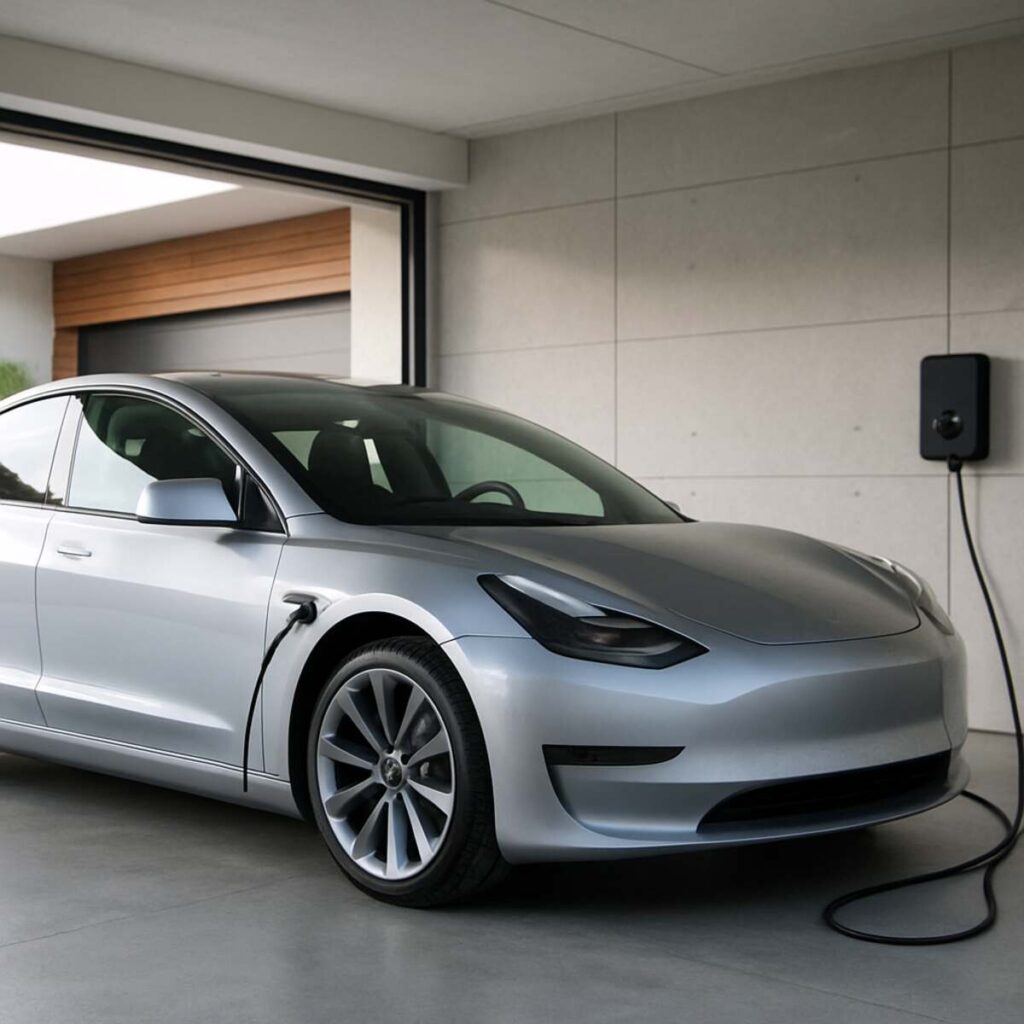
The transition to electric driving is accelerating across the Colorado Front Range. From exploring the scenic trails of Roxborough State Park to commuting up Santa Fe Drive into downtown Denver, driving an EV in Colorado offers unparalleled environmental and financial benefits. However, to truly unlock the convenience of electric vehicle ownership, you need a reliable home charging solution. Find the best electrician Highlands Ranch CO.
If you are looking into EV charger installation in Littleton, CO, you are making a smart investment in your home and your daily routine. Waking up to a fully charged battery means saying goodbye to public charging anxiety and fluctuating gas prices. But how do you go about setting up a high-quality, safe, and efficient electric vehicle charging station at your residence?
This comprehensive guide covers everything you need to know to install ev charger infrastructure in your Littleton home. We will explore electrical requirements, hardware choices, local permitting, utility rebates, and how to winterize your setup for those brisk Colorado winters.
Understanding Home EV Charging Basics
Before diving into wires and permits, it is crucial to understand what an electric vehicle charger actually does. Technically, the charger is built into the car itself. The equipment you mount on your wall is an EVSE (Electric Vehicle Supply Equipment). It acts as a smart gateway, delivering electricity safely from your home’s panel to the vehicle’s onboard charger.
When you decide to proceed with an ev charger installation littleton co residents generally choose between two primary levels of home charging.
Level 1 vs. Level 2 Charging
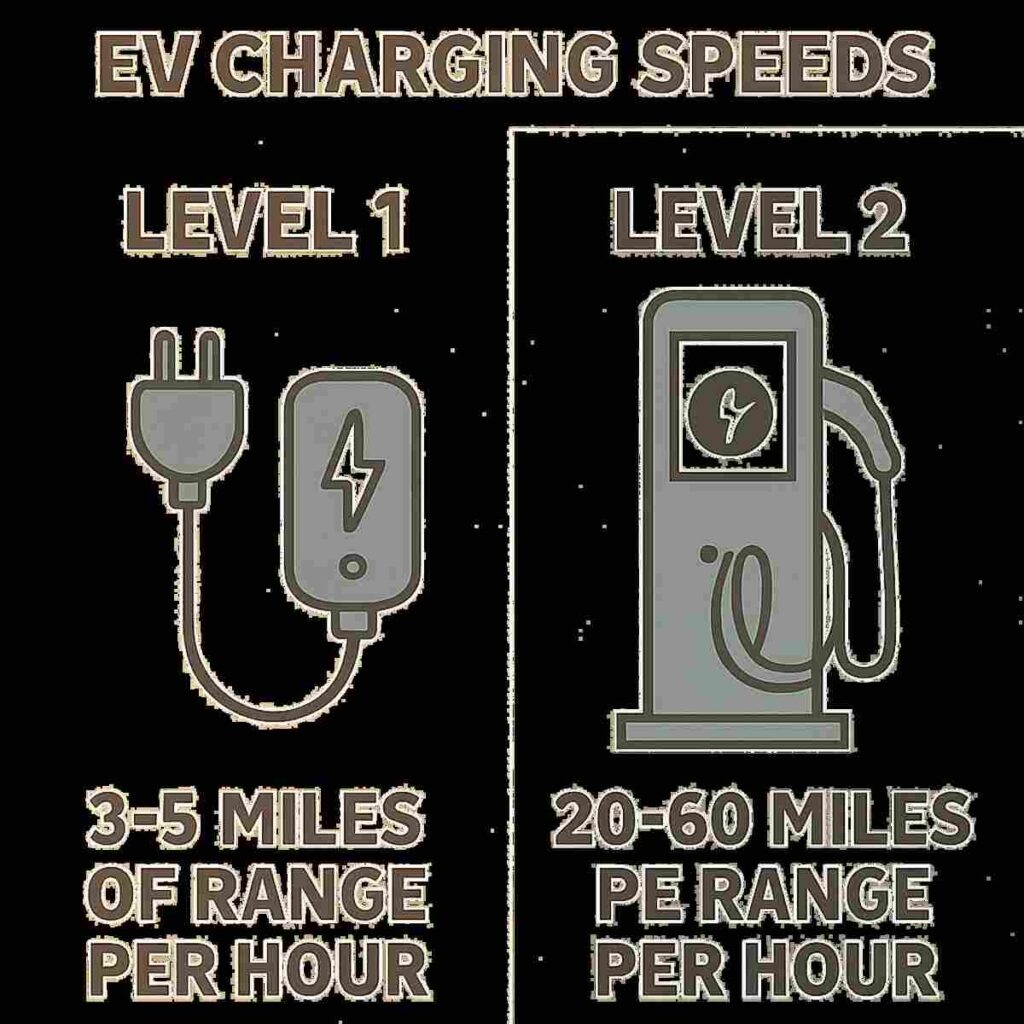
Understanding the difference between a Level 2 charging station vs standard wall outlet (Level 1) is the first step in planning your installation.
- Level 1 Charging (Standard Wall Outlet): Every EV comes with a charging cord that plugs into a standard 120-volt household outlet. While incredibly accessible, Level 1 charging is painfully slow. It typically delivers only 3 to 5 miles of range per hour of charging. If you drive more than 30 miles a day, a Level 1 charger will struggle to replenish your battery overnight.
- Level 2 Charging (240-Volt Outlet): A Level 2 charging station uses a 240-volt circuit—similar to the power required for an electric clothes dryer or a heavy-duty oven. This drastically speeds up the process, delivering between 15 and 40 miles of range per hour, depending on the charger’s amperage and your car’s acceptance rate.
How Long Does It Take to Charge an EV at Home?
A frequent question from new EV owners is, “how long does it take to charge an EV at home?” The answer depends entirely on your battery size and your charging equipment.
- Using Level 1: Recharging a long-range EV (like a Tesla Model Y or Ford Mustang Mach-E) from 10% to 100% on a standard 120V outlet can take between 40 to 60 hours.
- Using Level 2: With a properly installed 48-amp Level 2 charger, that same 10% to 100% charge takes just 6 to 8 hours. This allows you to plug in after dinner and wake up to maximum range before your morning commute.
Assessing Your Home’s Electrical Capacity
Your home’s electrical panel is the beating heart of your property. Before you can install high-powered charging equipment, you must ensure your electrical system can handle the additional load.
Do You Need an Electrical Panel Upgrade?
Most modern homes are built with 200-amp electrical panels, which generally have enough capacity to support an EV charger. However, if you live in one of Littleton’s beautiful historic neighborhoods near Main Street or in a mid-century home, you might only have a 100-amp or even a 60-amp panel.
If your panel is already heavily loaded with an electric HVAC system, electric water heater, and hot tub, an electrical panel upgrade for home car charging might be necessary. This process involves a licensed electrician replacing your existing breaker box with a high-capacity 200-amp or 225-amp panel.
Safely Retrofitting Older Littleton Homes
Safely retrofitting older Littleton homes for electric car power requires expertise. Beyond just the panel’s total amperage, older homes may have outdated wiring or discontinued panel brands (like Federal Pacific or Zinsco) that pose severe fire risks when subjected to the continuous, heavy load of an EV charger.
If an expensive panel upgrade isn’t in your budget right now, electricians have modern workarounds:
- Smart Splitters: Devices like the NeoCharge can share a single 240V circuit between your electric dryer and your EV charger, pausing the car charge automatically when you turn on the dryer.
- Energy Management Systems (EMS): Hardware like a DCC (Demand Charge Controller) monitors your home’s total energy consumption. If your home nears its maximum electrical capacity, the DCC temporarily cuts power to the EV charger, preventing the main breaker from tripping.
Choosing the Right Hardware for Your Needs
With your electrical capacity sorted, it is time to choose the physical equipment. The EVSE market is flooded with options, but making the right choice comes down to your car brand, where the charger will live, and how you want it connected.
Hardwired vs. Plug-in EVSE Pros and Cons
One of the biggest decisions you will make is whether to plug your charger into an outlet or hardwire it directly into your electrical system. Understanding the hardwired vs plug-in EVSE pros and cons will help you make an informed choice.
Plug-In EV Chargers:
- Pros: Easily removable if you move houses; simpler to swap out if the unit breaks.
- Cons: Requires the installation of a heavy-duty receptacle. Limited to a maximum of 40 amps of charging power (requires a 50-amp circuit). Outdoor plug-in setups require bulky weatherproof covers.
Hardwired EV Chargers:
- Pros: Allows for the fastest possible home charging (up to 48 amps on a 60-amp circuit). Fewer connection points mean a reduced risk of electrical faults or overheating. More streamlined, weatherproof aesthetic.
- Cons: Cannot be easily removed without an electrician.
NEMA 14-50 Outlet Installation
If you opt for a plug-in unit, you will likely request a NEMA 14-50 outlet installation for electric cars. This is the standard 240-volt receptacle used by most plug-in EV chargers.
Actionable Tip: Never buy a cheap, residential-grade NEMA 14-50 receptacle from a big-box store for an EV. EV charging is a “continuous load” that will melt cheap outlets. Always insist your electrician uses a commercial-grade, heavy-duty receptacle (like Hubbell or Bryant) to prevent dangerous electrical fires.
Weatherproofing: The Colorado Climate Factor
If you do not have a garage, your charger will have to live outside. Colorado weather is famously volatile, with scorching summer sun and freezing, snowy winters. Therefore, selecting the best outdoor rated EV chargers for cold climates is a non-negotiable step.
Look for chargers with a NEMA 4 or NEMA 4X rating, which ensures they are completely sealed against blowing rain, snow, and ice. Additionally, pay close attention to the charging cable. Cheaper cables become rigid, brittle, and impossible to uncoil in freezing temperatures. Premium brands like Grizzl-E, ChargePoint, and Tesla use specialized rubberized cables designed to remain flexible even when the temperature drops below zero in Littleton.
The Power of Smart Charging
In the age of smart homes, your garage should not be left behind. There are numerous benefits of smart EV charging stations with WiFi.
By connecting your charger to your home network, you can use a smartphone app to:
- Schedule charging times to take advantage of off-peak utility rates.
- Monitor your real-time electricity usage.
- Track your historical charging data to calculate exact costs.
- Remotely start or stop a charging session.
- Receive automatic over-the-air firmware updates that improve charger performance.
Compatibility Across Brands
Are you a household with a Tesla and a Chevy Bolt? Or perhaps you own a Rivian but want to use a Tesla Wall Connector? Cross-compatibility is entirely possible.
Most non-Tesla EVs in the US currently use the J1772 charging standard. If you install a Tesla charger, you must ensure J1772 adapter compatibility for non-Tesla drivers. You can purchase a high-quality third-party adapter (like those from Lectron or TeslaTap) that securely attaches to the Tesla nozzle, allowing you to charge your Hyundai, Ford, or Volkswagen seamlessly. Conversely, if you install a universal J1772 charger, your Tesla will come with an adapter in the trunk that allows it to use that charger.
The Installation Process and Local Regulations
Electrical work is not a DIY weekend project, especially when dealing with the high, continuous voltage required for EV charging.
Why You Need a Pro
There are strict licensed electrician requirements for home vehicle charging. Hiring an unlicensed contractor or attempting to do the wiring yourself can void your homeowner’s insurance, void your EV charger’s warranty, and put your family at serious risk of electrical fires. A licensed electrician understands the National Electrical Code (NEC), particularly the 80% rule, which states that continuous loads (like EV charging) can only utilize 80% of a circuit’s total capacity.
Navigating Local Rules
The permitting process for home charging stations in Littleton is designed to ensure safety and code compliance. Your electrician will typically handle this process for you.
Here is what the standard process looks like:
- Site Assessment: The electrician evaluates your panel, calculates load capacity, and determines the wire run from the panel to the desired charger location.
- Permit Application: The contractor submits the electrical plans to the City of Littleton Building Department or the local authority having jurisdiction (Arapahoe, Douglas, or Jefferson County, depending on your exact zoning).
- Installation: Once the permit is pulled, the electrician runs the conduit, pulls the heavy-gauge copper wiring, installs the breaker, and mounts the charger.
- City Inspection: An inspector from the city will visit your home to review the work, ensuring it meets all safety codes before officially closing the permit.
Financial Considerations: Costs, Rebates, and ROI
Transitioning to electric driving requires an upfront investment in infrastructure, but various local and state incentives significantly soften the blow.
Typical Installation Costs
Homeowners often ask about the cost to install Tesla Wall Connector in Denver area and the surrounding Littleton suburbs. The cost varies widely based on how far your electrical panel is from where you want the charger.
- The Hardware: The charger itself usually costs between $400 and $700.
- The Labor and Materials: A simple, standard installation (where the panel is in the garage right next to the charger location) typically costs between $600 and $1,200.
- Complex Installations: If your panel is in the basement on the opposite side of the house, requiring long runs of expensive copper wire through finished walls, labor and materials can range from $1,500 to $3,000+.
- Panel Upgrades: If required, a new electrical panel adds an additional $2,500 to $4,000 to the project.
Calculating Your Charging Costs
Will your electric bill skyrocket? Calculating home energy bill increase from EV charging is straightforward if you know your local rates.
Let’s do the math:
- Find the battery capacity of your EV (e.g., 75 kWh for a Tesla Model Y).
- Determine your utility rate. In Littleton, Xcel Energy charges roughly $0.12 to $0.16 per kWh, depending on the season and whether you are on a standard or Time-of-Use rate.
- Multiply the battery capacity by the electricity rate (75 kWh x $0.14 = $10.50).
It costs approximately $10.50 to completely fill your “tank” from zero to 100%. If you drive 1,000 miles a month, and your EV gets about 3.5 miles per kWh, you will use roughly 285 kWh per month. At $0.14 per kWh, your electric bill will increase by only about $40 a month. Compare that to the cost of purchasing gasoline for 1,000 miles of driving!
Unlocking Rebates and Tax Credits
Living in Littleton offers incredible financial advantages when it comes to adopting green energy.
Utility Rebates You should absolutely take advantage of Xcel Energy residential EV charging rebates. Xcel frequently offers programs that can cover the cost of the charger itself or provide substantial rebates (up to $500 or more) if you install an approved smart charger and enroll in their EV optimization programs. These programs often incentivize charging overnight during off-peak hours by offering heavily discounted electricity rates.
State Incentives Colorado is one of the most EV-friendly states in the nation. Beyond point-of-sale discounts for the vehicles themselves, residents can leverage Colorado state tax credits for electric vehicle infrastructure. While programs evolve, the state has historically offered tax credits covering a percentage of the installation costs of EV chargers. Be sure to consult with your tax advisor to claim your residential energy credits during tax season.
Life with Your New EV Charger in Littleton
Once your installation is complete, permitted, and inspected, your daily routine will change for the better. Here are a few final tips for living with your new home charging station in Colorado:
- Practice ABC (Always Be Plugged In): EV batteries, particularly during Colorado’s freezing winters, benefit from being plugged in. Modern EVs have thermal management systems that pull power from the wall—rather than the battery—to keep the battery pack warm and healthy overnight.
- Set Charge Limits: For daily driving, set your car’s maximum charge limit to 80%. Charging to 100% every day can degrade lithium-ion batteries faster. Save the 100% charges for long road trips into the Rockies.
- Schedule for Off-Peak: Use your smart EVSE app or your car’s internal computer to delay charging until after midnight. This takes the load off the grid during peak hours and ensures you are paying the lowest possible rate for your electricity.
- Keep It Tidy: Always spool your cable back onto its mount. Leaving a charging cable on the garage floor exposes it to being driven over, which can crush the internal wires and create a massive fire hazard.
Conclusion
Making the leap to an electric vehicle is an exciting milestone, and having a dedicated, high-speed charger at home is the ultimate key to maximizing that experience. A professional EV charger installation in Littleton, CO not only enhances your daily convenience but also adds tangible value to your home.
From analyzing your electrical panel and navigating the permitting process for home charging stations in Littleton, to selecting the perfect weatherproof hardware and cashing in on Xcel Energy residential EV charging rebates, proper planning is essential.
Remember, while the initial install ev charger process requires an investment, the long-term savings on fuel and maintenance are extraordinary. Do not cut corners with your home’s electrical safety. Reach out to a licensed, EV-certified electrician in the Littleton area today, and take the first step toward a seamless, sustainable driving future.