

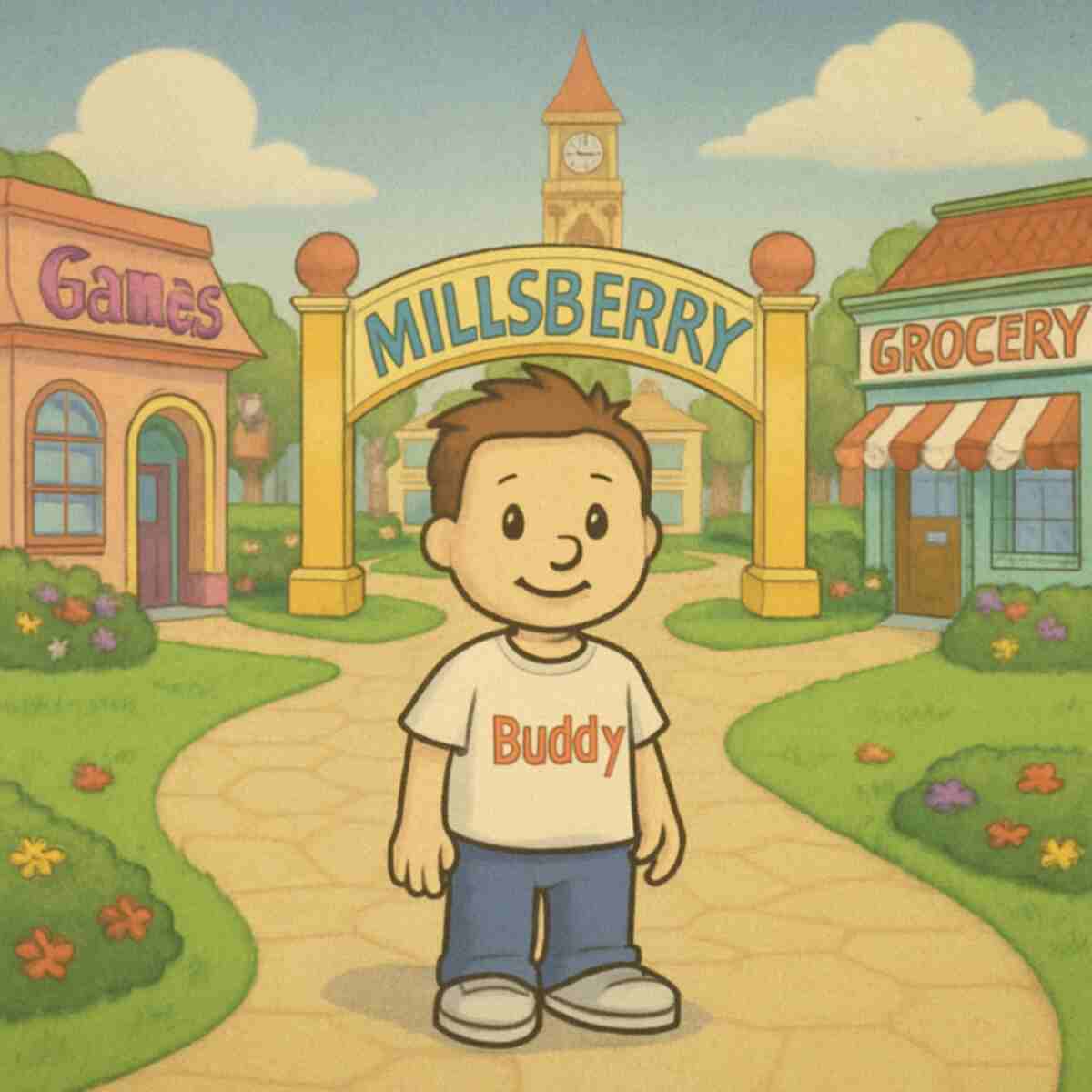

Before social media dominated the internet, and long after the screech of a dial-up modem faded, there was a digital world built entirely on cereal. If you were a kid in the early 2000s, you might remember begging for a box of Cinnamon Toast Crunch, not just for the taste, but for the code printed inside. That code was your key to the Millsberry online game, a surprisingly charming world that has since vanished from the web. What do you consider about arjuna189.
This wasn’t just a simple collection of mini-games; it was a sprawling virtual town. Created by General Mills, the site allowed you to design a character, build a house, and interact with other kids in a colorful, brand-themed universe. For many, it was their first taste of a social online community, making it one of the most memorable nostalgic 2000s browser games. But unlike a TV ad that ends in thirty seconds, Millsberry invited you to stay for hours.
This trip back in time uncovers the complete history of the Millsberry website, exploring what it was like to be a citizen of Millsberry, the clever marketing strategy that powered its existence, and why this beloved corner of the early internet logged off for good.
What Was Millsberry? Your First Steps Into a Cereal-Powered Town
At its heart, Millsberry.com was a “virtual world”—a colorful, cartoon town where you could play games and hang out online. Think of it like a simpler, browser-based version of The Sims or Club Penguin, but themed entirely around General Mills cereals. This was a digital neighborhood where you could explore, socialize, and build a virtual life, turning your family computer into a portal to a bustling town.
Your first step upon entering this world was creating your very own citizen, known as a “Buddy.” This was your personal avatar, a digital stand-in that you could design from the ground up. You’d choose a hairstyle, outfit, and accessories to give your Buddy a unique personality before setting foot in areas like Trix Tropolis or Lucky Charms Meadow. This character was your key to interacting with everything and everyone inside the game.
Unlike most games at the time, there was no final boss to defeat or a single way to “win.” The real purpose of Millsberry gameplay was self-expression. Fun came from customizing your own virtual house, mastering the various mini-games, and showing off your unique style to other players. The ultimate status symbol was having the coolest stuff, but to get any of it, you first had to earn the town’s unique form of money.
How “Mills” Became the Most Important Currency of Your Childhood
That special currency was called “Mills,” and it was the engine that powered the entire Millsberry experience. Unlike the app stores of today, you couldn’t buy Mills with real money; you had to earn every single one. This made the millsberry online game free in a way many modern games are not. Every player started on a level playing field, with an empty virtual wallet and a town full of possibilities waiting to be unlocked through pure participation.
Earning Mills was where the real millsberry gameplay began. The core loop was simple and wonderfully addictive: play mini-games to earn currency. The town was packed with activities, from skateboarding in the park to racing go-karts. The better you performed in these challenges, the more Mills you’d be rewarded with. This straightforward process defined how to play millsberry—it wasn’t about complex strategies, but about having fun and being rewarded for it.
With a pocketful of Mills, you could finally head to the virtual shops to spend your earnings. This was your chance to truly personalize your corner of the world. Would you buy a cool new outfit for your Buddy, or would you save up for that lava lamp to complete your virtual living room? These purchases were the ultimate form of self-expression, turning your character and home into a unique reflection of your style. The constant quest for the next cool item kept players coming back to the game’s biggest attractions: the mini-games themselves.
A Quick Tour of Millsberry’s Most Unforgettable Mini-Games
While saving up Mills for that virtual sofa was the ultimate goal, the journey was all about the games. This was where the millsberry gameplay truly shined. The town wasn’t just a place to socialize; it was a digital arcade packed with challenges that were both fun and, for anyone who frequented the cereal aisle, surprisingly familiar. These activities were the primary engine of the game’s economy, turning simple fun into spending power.
Though a complete list of all millsberry minigames would be extensive, a few iconic challenges stood out and became fan favorites for their addictive simplicity:
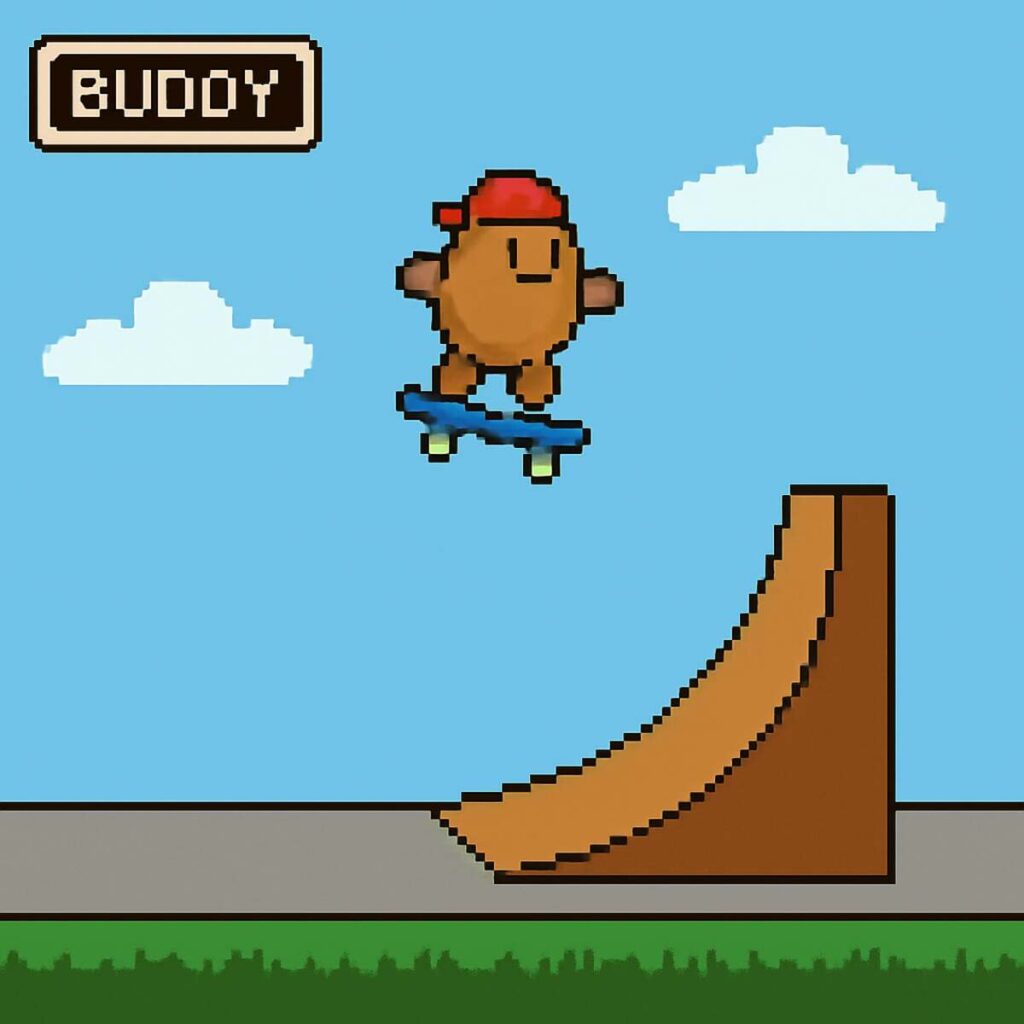
- Skate Park Challenge: A 2D side-scrolling game where you guided your Buddy on a skateboard, performing flips and grinds over ramps to score points.
- Trix Pinball: A classic pinball machine where the bumpers, flippers, and obstacles were all themed around the colorful, fruity shapes of Trix cereal.
- Franken Berry’s Castle Escape: A spooky-themed adventure where you navigated a maze-like castle, collecting items while avoiding ghosts.
What made these games so clever was how seamlessly they wove in General Mills’ branding. Take Trix Pinball, for instance. It wasn’t just a generic game located in the world’s Trix Tropolis area; the brand was baked right into the experience. You were literally bouncing a pinball off of giant, digital pieces of Trix. This wasn’t an annoying pop-up ad; the advertisement was the entertainment, a strategy that made players feel more connected to the brand without ever feeling sold to.
Each successful run in a game like this would top up your Mills balance, sending you back to the shops with more currency to spend. But these popular attractions weren’t just floating on a menu screen. They were anchor points in larger, fully-realized neighborhoods, each dedicated to a famous cereal and waiting to be explored.
Exploring the Cereal-Themed Neighborhoods of Millsberry
Stepping out of your virtual home in Millsberry wasn’t like walking into a generic town; it was like entering a digital theme park where every land was dedicated to a different breakfast cereal. The entire world was a collection of these distinct millsberry characters and neighborhoods, each with its own unique atmosphere, music, and activities. This design choice gave the game a surprising sense of scale and discovery, encouraging players to wander beyond their own block and see what the rest of the world had to offer.
The variety between these zones was what made them so memorable. For example, you could spend your morning in the bright, magical fields of Lucky Charms Meadow, complete with rainbows and four-leaf clovers, where you might even bump into Lucky the Leprechaun himself. Later, you could travel to the spooky area surrounding Franken Berry’s Castle for a completely different vibe. These weren’t just simple background images; they were fully-realized places that made the game world feel alive and directly connected to the cereals kids already knew.
This immersive structure was a masterstroke of branding. The constant, gentle exposure to the mascots and themes created a positive association without ever feeling like a forceful sales pitch. This connection was reinforced by the fun of exploration, a core part of the experience for every player. While the official site is long gone, glimpses of this world via a millsberry.com welcome archive only hint at its former vibrancy. But this elaborate, cereal-themed world begs a bigger question: why did General Mills go to all this trouble in the first place?
Why Did General Mills Build a Video Game? The Secret of “Advergaming”
The answer lies in a clever marketing strategy that was booming in the early 2000s. Instead of just showing kids a 30-second commercial between cartoons, General Mills built an entire virtual world for them to inhabit. The game itself was the advertisement, a concept known as advergaming. Rather than interrupting the fun to show you a product, the product was the fun. This approach was far more engaging than a pop-up ad and became a popular way for brands to connect with young audiences online.
At its core, advergaming is the idea that the entertainment is the marketing. The goal for the General Mills virtual world wasn’t to make a profit from selling the game; in fact, it was completely free to play. The real prize for the company was building brand loyalty. Every positive memory a child formed—from winning a skateboarding mini-game to chatting with friends—was subtly linked to the brands that decorated the world. The fun of playing in Trix Tropolis created a positive feeling about Trix cereal, a connection that could last for years.
Ultimately, this strategy was a product of its time, a unique answer to the question of how to reach an audience in a newly connected world. While the business purpose explains why the game was created, it doesn’t fully capture what it became. The company built the playground, but the players built a community. For many children, the marketing was just background noise to what really mattered: a place to hang out and make friends, turning Millsberry into one of the first social networks they ever experienced.
More Than a Game: How Millsberry Was a Kid’s First Social Network
For many of its young players, the real magic of the Millsberry online game wasn’t just earning points; it was the feeling of being in a bustling town square. You could see dozens of other players’ characters, or “buddies,” walking around, showing off their unique outfits and visiting custom homes. This constant presence of others transformed the game from a collection of activities into a living, breathing virtual world and a prime hangout spot after school.
Of course, a social world needs a way to socialize, but creating a safe space for children in the early 2000s was a major challenge. Millsberry solved this with a “safe chat” system. Instead of typing freely, players chose from a pre-approved list of words and phrases to build sentences. This meant conversations were limited—you couldn’t share personal information or use inappropriate language. While it might seem restrictive today, it provided a secure environment where kids could interact without the risks of an open internet.
In this carefully managed playground, Millsberry became many kids’ first-ever social network. It was a training ground for digital citizenship, teaching a generation the basics of online interaction, friendship, and community long before platforms like Facebook were household names. Players learned to navigate a social space, express themselves through their avatars, and belong to a group. This nostalgic 2000s browser game was a huge part of childhood for a time, which made its eventual disappearance from the web all the more surprising.
What Really Happened to the Millsberry Website?
After years of being a popular online hangout, Millsberry.com quietly closed its doors in late 2010, leaving many players wondering what happened. The game didn’t shut down because it “failed” or ran out of players. Instead, its closure was a sign of just how rapidly the internet was changing. The online world of 2010, dominated by the rise of social media and smartphones, was a vastly different place than the one in which Millsberry was first launched, and General Mills’ strategy had to change with it.
The company’s marketing focus simply evolved. By the late 2000s, building and maintaining an entire virtual world was a massive undertaking. At the same time, platforms like Facebook and the exciting new world of mobile apps offered a more direct and cost-effective way to connect with families. Rather than trying to draw everyone to a single destination website, it made more sense for brands to meet customers where they were already spending their time: on social networks and their phones.
A major technological shift was also happening behind the scenes. Millsberry, like most browser games of its time, was built using Adobe Flash—the software that made those colorful animations and games run right in your browser. But Flash was becoming outdated; it didn’t work on new devices like Apple’s iPhone, and the web was moving toward more modern standards. For an aging game like Millsberry, this technological roadblock, combined with the new marketing landscape, sealed its fate. The closure left a void and a question many former players still ask: is there any way to go back?
Can You Still Play Millsberry Today? The Quest for a Lost Game
So, with the official website long gone, is there any way to revisit the world of Trix Tropolis and Cocoa Puffs Peak? The answer is no—the original Millsberry created by General Mills is no longer playable. The servers that hosted the game were shut down permanently, and all the official character data and player homes were lost along with them. For all intents and purposes, the original town has been abandoned.
However, that isn’t quite the end of the story. For a game that vanished over a decade ago, Millsberry has a surprisingly dedicated following. Driven by nostalgia, several groups of fans have taken on the monumental task of trying to bring the game back to life. These “revival projects” are unofficial, fan-made efforts to rebuild the game from the ground up, using old screenshots, recovered game files, and their own memories.
These projects are truly a labor of love, but it’s important to know what they are and what they aren’t. They are not official releases and can sometimes be incomplete or buggy, often missing certain mini-games or features that fans remember. Think of it less like finding a perfectly preserved arcade cabinet and more like visiting a meticulous, fan-built reconstruction. It offers a powerful glimpse into the past, but it isn’t the same game that shut down in 2010.
Ultimately, the existence of any “Millsberry revival project” is a testament to the game’s lasting impact. The fact that people are willing to volunteer their time and skills just to experience that world again shows how much it meant to them. It proves that Millsberry, while smaller, carved out a place in players’ hearts right alongside the giants of the era.
Millsberry vs. Club Penguin: How Did It Compare to the 2000s Giants?
For anyone who grew up with nostalgic 2000s browser games, the big question is how Millsberry stacked up against the era’s undisputed king, Club Penguin. While both let you create a character and explore a virtual world, their core philosophies were worlds apart. Club Penguin was a business that sold a game; Millsberry was a game that sold a brand. Think of it this way: Club Penguin was the amusement park where you could buy a special pass for premium rides, while Millsberry was the fantastic, free playground built by a company hoping you’d buy their snacks afterward.
This fundamental difference dictated the entire experience. Club Penguin’s free version was a gateway to its paid “membership,” which unlocked the most desirable clothes, pets, and furniture. Its primary goal was to convince you to subscribe. Millsberry, in contrast, never asked for a dime. As a massive “advergame”—a game designed purely as an advertisement—its entire world was free to access. The objective for General Mills wasn’t to earn your pocket money but to build a fun, positive connection to their cereals, ensuring Trix and Cheerios were always on your mind.
Because of this, the two games felt very different to play. The constant push for membership could make Club Penguin feel vast and competitive. Millsberry, by comparison, was generally simpler and cozier. The goal wasn’t acquiring rare items but simply enjoying the charming, brand-infused world, from skateboarding in the park to decorating your house. It was less a status-driven universe and more a quirky digital town square. While you can’t revisit that specific town, the unique feeling it created—a blend of simple community and lighthearted fun—is something many still search for in games today.
Looking for That Millsberry Feeling? 3 Modern Games That Capture Its Spirit
While you can’t log back into your old Millsberry account, that unique blend of creativity and low-stakes fun is something many people still search for in a virtual world. The good news is that several modern titles capture parts of that spirit. If you’re looking for games similar to Millsberry, here are a few that echo its charm without the cereal box codes.
For players who loved peacefully decorating their house and collecting items, Animal Crossing: New Horizons is the clear spiritual successor. Its focus on personalizing an entire island provides that same satisfying, creative outlet. If you crave that plus a social element, Palia is a “cozy” online game centered on community, crafting, and home-building, all without the pressure of combat or intense competition.
Another place to find that feeling is within Roblox. While it’s a massive platform, specific experiences like “Adopt Me!” or various social “hangout” worlds offer the same core loop: customize an avatar, socialize with others, and play simple mini-games. It mirrors the feeling of dropping into Millsberry’s town square to see who was around.
No single game perfectly replaces the experience of nostalgic 2000s browser games. Yet, these options prove that the desire for creative, friendly, and non-competitive online spaces is stronger than ever, carrying on the simple joys that made Millsberry so memorable.
Why We Still Talk About Millsberry: A Final Look at a Vanished World
What began as a code on a cereal box became, for many, a genuine community. The Millsberry game wasn’t just a collection of mini-games; it was a user’s first online friend, first decorated virtual room, and first taste of digital freedom in a world designed to be safe.
Because of this, the General Mills virtual world serves as a perfect digital time capsule. It preserves the unique feeling of the early 2000s internet—a time when online spaces felt like quirky destinations to be explored, rather than endless feeds to be scrolled. The history of the Millsberry website is the history of a kinder, simpler web.
While the servers are long gone, the game’s legacy remains a reminder of that era. It challenges us to look for its spirit in today’s vast digital world—to find those small, strange, and wonderful places built just for the joy of it.