



Fashion and music are inseparable, continuously influencing and reshaping each other in a dynamic cultural dance that spans centuries. The evolution of music fashion trends is a testament to how musicians have used style not only as a medium of self-expression but also as a tool to influence societal norms and provoke change. This article delves into the intricate relationship between music and fashion, exploring how concert outfits and fashion trends have evolved over the decades. Choose the best music fashion.
The relationship between music and fashion is symbiotic, with each feeding off the other to create iconic looks that define eras. Musicians have always been at the forefront of fashion trends, using their public personas to challenge the status quo and set new standards in what is considered fashionable. This interdependence not only shapes public perception but also influences the direction of both industries, creating a cultural synergy that propels trends forward.
Music as a Fashion Catalyst
Music acts as a catalyst in fashion by introducing new aesthetics and challenging existing norms. Artists often experiment with their image to reflect the mood and message of their music, thereby setting trends that resonate with fans. The transformation of music genres often brings about shifts in fashion, as seen with the flamboyant styles of jazz or the rebellious attire of punk rock. Each genre acts as a beacon of change, encouraging fans to adopt and adapt these emerging styles into their wardrobes.
Fashion’s Impact on Musical Identity
Fashion enhances a musician’s identity, providing a visual representation of their sound and philosophy. Iconic outfits become synonymous with certain artists, helping to cement their legacy within both music and fashion. When musicians collaborate with fashion designers, they create unique looks that define their brand, leaving a lasting impression on audiences. This symbiosis allows artists to visually communicate their artistic journey and influence cultural perceptions.
The Role of Media in Shaping Trends
Media plays a crucial role in amplifying the relationship between music and fashion, acting as a conduit for trend dissemination. Television, magazines, and now digital platforms like Instagram and TikTok, serve as stages where musicians can showcase their style to a global audience. Media coverage of concerts, award shows, and music videos further cements the fashion choices of musicians as iconic moments that inspire public emulation.
Early Influences: Jazz and Swing Era
The Jazz Age of the 1920s marked a significant turning point in music fashion. Musicians like Duke Ellington and Louis Armstrong embraced the flamboyant styles of the time, characterized by zoot suits and extravagant accessories. These styles reflected the exuberance and innovation of jazz music, influencing the broader fashion trends of the era.
The Rise of the Zoot Suit
The zoot suit became the epitome of jazz fashion, with its exaggerated silhouette symbolizing defiance and freedom. This style was not just about aesthetics but also a political statement, challenging societal norms and racial stereotypes. Musicians who wore zoot suits embodied the spirit of jazz, promoting individuality and innovation. The suit’s popularity transcended racial and cultural boundaries, becoming a symbol of rebellion and self-expression across different communities.
Flamboyant Accessories as Statements
Accessories played a crucial role in jazz fashion, with items like wide-brimmed hats, pocket watches, and spats adding flair to musicians’ ensembles. These accessories were not merely decorative; they were integral to the jazz persona, enhancing the performer’s stage presence and charisma. The use of accessories allowed musicians to personalize their look, creating a unique style that would influence future generations of artists and fashion enthusiasts.
Jazz Fashion’s Influence on Society
The impact of jazz fashion extended beyond the music scene, affecting societal attitudes towards fashion and race. The bold styles of jazz musicians challenged conventional ideas of propriety and elegance, paving the way for more inclusive fashion trends. Jazz fashion encouraged people to embrace diversity in style, promoting a cultural shift towards acceptance and appreciation of different aesthetics.
The Rock and Roll Revolution
The 1950s and 1960s saw the advent of rock and roll, a genre that brought with it a new wave of fashion trends. Musicians like Elvis Presley and The Beatles became style icons, with their slick hairstyles and tailored suits setting the tone for the decade. The rebellious spirit of rock and roll was mirrored in the fashion choices of its musicians, who often eschewed traditional norms in favor of a more casual and edgy look.
The Emergence of Iconic Hairstyles
Rock and roll introduced iconic hairstyles that became synonymous with the genre, such as Elvis Presley’s pompadour and The Beatles’ mop tops. These hairstyles were more than just fashion statements; they represented the youthful rebellion and energy of the rock and roll movement. Fans emulated these hairstyles, which became a symbol of their allegiance to the new musical revolution.
Tailored Suits and Edgy Attire
Rock musicians popularized the use of tailored suits, which offered a blend of sophistication and rebellion. Artists like Elvis and The Beatles wore suits that were both stylish and unconventional, challenging the conservative fashion norms of the era. This blend of elegance and edge in their attire became a hallmark of rock and roll, influencing mainstream fashion and setting a precedent for future rock artists.
Challenging Traditional Norms
Rock and roll fashion was all about breaking away from tradition and establishing a new cultural identity. The genre’s musicians used their style to challenge societal expectations and promote individuality. This defiance of norms through fashion paved the way for future musical movements, encouraging artists to use their style as a means of self-expression and social commentary.
The Psychedelic 70s

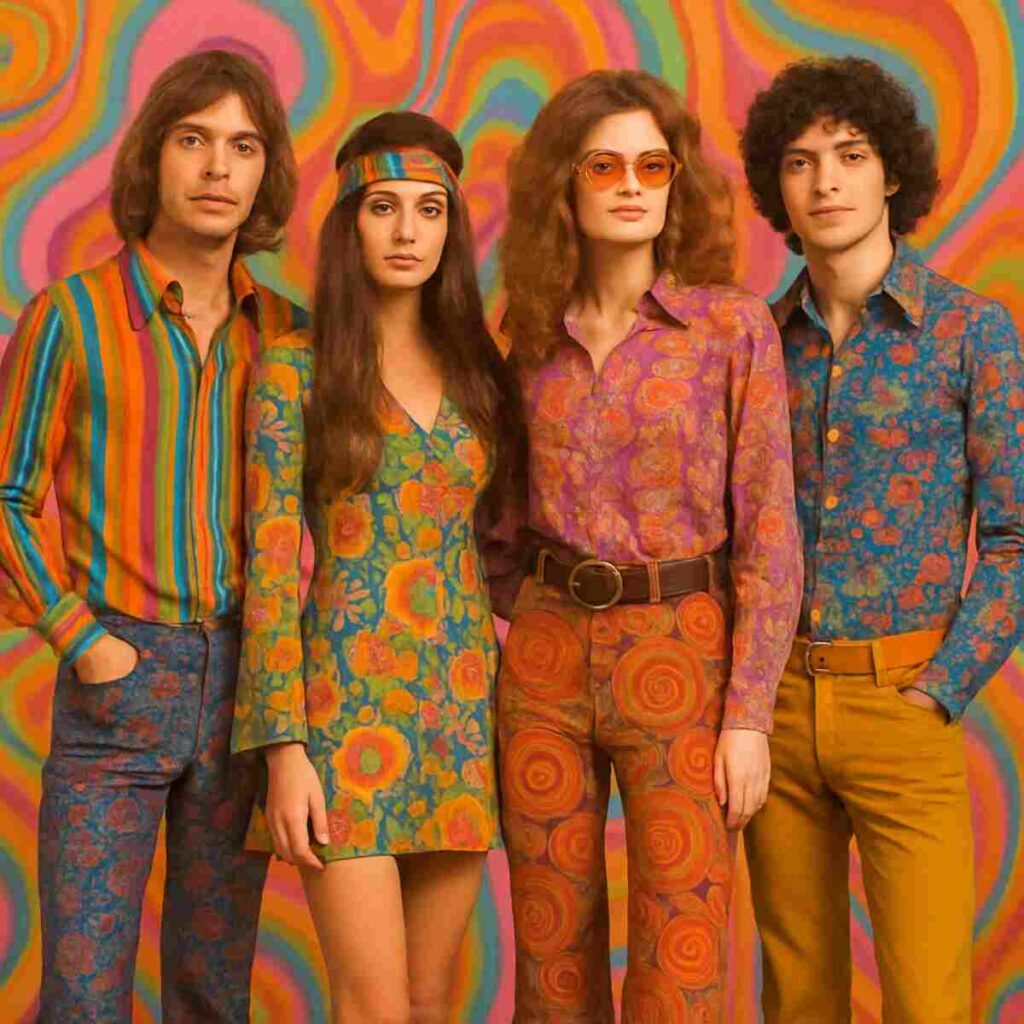
The 1970s were a time of experimentation, both musically and sartorially. The psychedelic movement, with its vibrant colors and eclectic patterns, influenced music fashion in profound ways. Bands like Led Zeppelin and The Rolling Stones embraced the bohemian aesthetic, incorporating elements like bell-bottom pants, fringed jackets, and tie-dye shirts into their concert outfits.
Vibrant Colors and Eclectic Patterns
Psychedelic fashion was defined by its use of vibrant colors and eclectic patterns, reflecting the era’s fascination with exploration and transcendence. These bold styles were a visual representation of the psychedelic music scene, emphasizing freedom and creativity. The use of such patterns in clothing became a hallmark of the 70s, influencing not only music fashion but also mainstream fashion trends.
The Bohemian Aesthetic in Music
The bohemian aesthetic became a signature look for many musicians during the psychedelic era, symbolizing a connection to nature and a rejection of materialism. This aesthetic was characterized by loose, flowing garments, natural fabrics, and ethnic-inspired designs. Musicians who adopted this style promoted a lifestyle of peace and harmony, resonating with audiences who were seeking an alternative to mainstream culture.
Influence on Modern Fashion
The psychedelic fashion of the 70s has left a lasting legacy, influencing contemporary fashion designers and trends. Elements of this era, such as tie-dye and bell-bottoms, continue to resurface in modern collections, showcasing the enduring appeal of 70s style. The psychedelic movement’s emphasis on individuality and creativity remains relevant, encouraging today’s artists to push the boundaries of fashion and self-expression.
Punk Rock and the 80s
The punk rock movement of the late 1970s and early 1980s brought a radical shift in music fashion. Punk musicians like The Ramones and The Sex Pistols adopted a DIY approach to fashion, with ripped clothing, leather jackets, and safety pins becoming their trademark. This era was characterized by an anti-establishment ethos, with fashion serving as a form of rebellion against mainstream culture.
DIY Fashion and Rebellion
Punk rock fashion was defined by its DIY ethos, with musicians and fans creating their own unique styles from everyday items. This approach to fashion was a form of rebellion, rejecting consumerism and mass production. The DIY aesthetic encouraged individuality and creativity, allowing punk musicians to express their disdain for societal norms through their clothing.
Signature Styles: Leather and Ripped Fabrics
Leather jackets and ripped fabrics became iconic elements of punk fashion, symbolizing toughness and defiance. These pieces were often adorned with studs, patches, and pins, adding a personal touch to each ensemble. Punk musicians used these signature styles to challenge conventional beauty standards and promote a raw, unpolished look that resonated with their audience.
Punk’s Influence on Mainstream Fashion
Despite its anti-establishment origins, punk fashion eventually made its way into mainstream culture, influencing designers and fashion trends. Elements of punk style, such as distressed denim and leather accents, have become staples in modern fashion. The movement’s emphasis on individuality and rebellion continues to inspire designers, ensuring punk’s legacy in the fashion world.
The Rise of Hip-Hop and Streetwear
As we moved into the 1980s and 1990s, hip-hop emerged as a dominant force in both music and fashion. Artists like Run-D.M.C. and LL Cool J popularized streetwear, a style that emphasized casual and comfortable clothing. This included items like oversized t-shirts, sneakers, and bucket hats, which quickly became staples in the fashion world.
The Streetwear Revolution
Streetwear emerged as a revolutionary fashion trend, blending elements of urban culture with high fashion. Hip-hop artists embraced this style, using it as a means of expressing their identity and cultural roots. Streetwear’s emphasis on comfort and practicality resonated with fans, leading to its widespread adoption and influence on mainstream fashion.
Sneakers: A Cultural Phenomenon
Sneakers became a defining element of hip-hop fashion, symbolizing status and individuality. Artists like Run-D.M.C. popularized sneakers as a fashion statement, elevating them from athletic wear to a cultural phenomenon. This shift in perception paved the way for sneaker collaborations with major brands, further cementing their place in both music and fashion.
The Impact of Hip-Hop on Global Fashion
Hip-hop’s influence on fashion extends far beyond streetwear, shaping global trends and inspiring designers worldwide. The genre’s emphasis on personal style and cultural expression has encouraged diversity in fashion, promoting inclusivity and innovation. Hip-hop’s impact on global fashion is a testament to its power as a cultural force, bridging gaps between different communities and inspiring new generations of fashion enthusiasts.
The Grunge Movement
The grunge movement of the early 1990s, led by bands like Nirvana and Pearl Jam, brought a raw, unpolished aesthetic to music fashion. Flannel shirts, ripped jeans, and combat boots defined the grunge look, reflecting the genre’s disdain for the polished and commercialized pop culture of the time.
The Rise of Grunge Fashion
Grunge fashion emerged as a reaction against the excess and glamour of the 1980s, embracing a more understated and authentic style. The movement’s emphasis on comfort and individuality resonated with fans who were disillusioned with mainstream culture. Grunge fashion’s focus on thrifted and second-hand clothing promoted sustainability, influencing future trends towards eco-friendly fashion.
Flannel Shirts and Ripped Jeans
Flannel shirts and ripped jeans became iconic elements of grunge fashion, symbolizing a laid-back, non-conformist attitude. These pieces were often worn oversized and paired with combat boots, creating a look that was both practical and rebellious. Grunge musicians used these styles to communicate their rejection of consumerism and societal expectations, resonating with audiences seeking authenticity.
Grunge’s Lasting Impact on Fashion
Despite its relatively short-lived prominence, grunge fashion has left a lasting impact on the industry, influencing designers and trends for decades. Elements of grunge, such as distressed denim and oversized silhouettes, continue to appear in modern collections. The movement’s emphasis on authenticity and self-expression remains relevant, inspiring today’s artists to challenge conventional fashion norms.
Pop and R&B Influence
The late 1990s and early 2000s saw the rise of pop and R&B, with artists like Britney Spears and Beyoncé influencing fashion trends with their bold and glamorous styles. These musicians popularized looks that included crop tops, low-rise jeans, and flashy accessories, setting the stage for the fashion trends that would dominate the new millennium.
Glamour and Bold Statements
Pop and R&B artists embraced glamour and bold statements in their fashion, using their style to captivate audiences and set trends. Musicians like Britney Spears and Beyoncé showcased outfits that were both eye-catching and sophisticated, blending elements of high fashion with street style. Their bold fashion choices became iconic, influencing fans and setting the standard for pop culture style.
The Rise of Y2K Fashion
Y2K fashion emerged as a defining trend of the late 1990s and early 2000s, characterized by metallic fabrics, futuristic designs, and playful accessories. Pop and R&B artists played a significant role in popularizing this style, using their music videos and performances to showcase these trends. Y2K fashion’s emphasis on individuality and creativity resonated with a generation eager to embrace the new millennium’s possibilities.
Influence on Modern Pop Culture
The fashion influence of pop and R&B artists extends beyond the music scene, shaping modern pop culture and inspiring designers worldwide. The genre’s focus on glamour and self-expression has encouraged inclusivity and diversity in fashion, promoting new perspectives and ideas. Pop and R&B’s impact on fashion is a testament to its power as a cultural force, inspiring new generations of artists and fashion enthusiasts.
Modern Music Fashion Trends
In today’s music scene, fashion continues to play a crucial role in the identity and branding of artists. Musicians like Lady Gaga and Billie Eilish push the boundaries of conventional fashion, using their unique styles to make powerful statements about individuality and self-expression.
Concert Outfits: A Statement on Stage
Concert outfits have evolved from simple performance attire to elaborate costumes that enhance the artistic expression of a musician’s performance. Artists invest significant time and resources into creating stage outfits that not only complement their music but also captivate their audience and create a memorable visual experience. These outfits often incorporate elements of theater and art, transforming concerts into immersive performances that blur the line between fashion and music.
Fashion’s Role in Artist Branding
Fashion plays a pivotal role in the branding of modern musicians, helping to define their image and connect with their audience. Artists use fashion to convey their message and values, creating a visual identity that resonates with fans. This emphasis on fashion as a branding tool has led to collaborations with designers and fashion houses, resulting in unique collections and limited-edition pieces that further enhance an artist’s brand.
The Influence of Social Media
In the digital age, social media platforms have amplified the impact of music fashion trends. Musicians can now reach a global audience instantly, showcasing their latest styles and influencing fashion trends on a much larger scale. Platforms like Instagram and TikTok serve as virtual runways, where musicians and fans alike can share and explore the latest in music fashion. This immediacy and accessibility have democratized fashion, allowing fans to engage with and influence trends in real-time.
The Role of Fashion Designers
Fashion designers have played an integral role in shaping the music fashion landscape. Collaborations between designers and musicians have resulted in some of the most iconic looks in history. Designers like Alexander McQueen, Jean Paul Gaultier, and Virgil Abloh have worked with musicians to create groundbreaking fashion statements that transcend the stage and influence global trends.
Iconic Collaborations
Collaborations between musicians and fashion designers have produced some of the most memorable and iconic looks in history. These partnerships allow artists to explore new creative avenues, resulting in unique pieces that elevate both the music and fashion industries. Iconic collaborations, such as those between Lady Gaga and Alexander McQueen, showcase the power of fashion to enhance a musician’s artistic vision and leave a lasting impact on culture.
Designer Influence on Music Fashion
Fashion designers play a crucial role in shaping music fashion, using their expertise to create innovative and trend-setting pieces for artists. Their influence extends beyond individual collaborations, shaping broader fashion trends and inspiring new generations of designers. The relationship between designers and musicians is symbiotic, with each drawing inspiration from the other to push the boundaries of their respective fields.
The Future of Music and Fashion Collaboration
The future of music and fashion collaboration promises to be as dynamic and innovative as its past, with new technologies and platforms providing opportunities for creativity and expression. Virtual fashion shows and digital clothing offer new avenues for collaboration, allowing artists and designers to reach audiences in unprecedented ways. This continued partnership between music and fashion will undoubtedly lead to exciting developments and trends, inspiring future generations of artists and fashion enthusiasts alike.
Sustainable Fashion in Music
As awareness about environmental issues grows, sustainable fashion is becoming an important consideration in the music industry. Musicians are increasingly opting for eco-friendly materials and practices in their fashion choices, setting an example for their fans and the fashion industry at large.
The Rise of Eco-Friendly Fashion
Eco-friendly fashion has gained traction in the music industry, with musicians advocating for sustainable practices in their wardrobe choices. Artists are choosing materials that have a lower environmental impact, such as organic cotton, recycled fabrics, and sustainable synthetics. This shift towards sustainability reflects a growing awareness of the fashion industry’s impact on the environment and encourages fans to consider their own consumption habits.
Musicians as Advocates for Sustainability
Musicians have become vocal advocates for sustainability, using their platforms to raise awareness about environmental issues and promote eco-friendly fashion. Through collaborations with sustainable brands and participation in environmental campaigns, artists are setting an example for their fans and the broader fashion industry. Their advocacy highlights the power of music and fashion to drive positive change and inspire collective action.
The Future of Sustainable Music Fashion
The future of sustainable music fashion looks promising, with an increasing number of artists and brands committing to eco-friendly practices. Advances in technology and materials are making sustainable fashion more accessible and attractive, encouraging more musicians to adopt these practices. As the movement grows, it will continue to inspire change within the fashion industry, promoting a more sustainable and equitable future for all.
Conclusion
The evolution of music fashion trends is a fascinating journey through history, highlighting the powerful impact of music on societal norms and fashion. From the jazz age to the digital era, musicians have used fashion as a form of self-expression and a tool for change. As we look to the future, the interplay between music and fashion will undoubtedly continue to evolve, reflecting the changing times and inspiring new generations of artists and fashion enthusiasts alike. The ongoing dialogue between these two creative fields will continue to shape culture, challenge norms, and redefine what it means to express oneself through fashion and music.